Most Perth homeowners are diligent about keeping their homes clean, vacuuming regularly, sanitizing kitchen surfaces, scrubbing bathrooms. But there's one item that rarely makes it onto the cleaning checklist, and it's sitting right outside your front gate, collecting bacteria, pests, and odors week after week.
It's easy to overlook because it lives outdoors. But research into domestic waste hygiene consistently shows that uncleaned bins are one of the most bacteria-laden items on a residential property. If you're wondering why wheelie bin cleaning is essential especially when it comes to domestic wheelie bin cleaning in Perth the answer goes well beyond bad smells. It touches directly on your family's health, pest control, and the overall liveability of your home environment.
What's Actually Living Inside Your Bin?
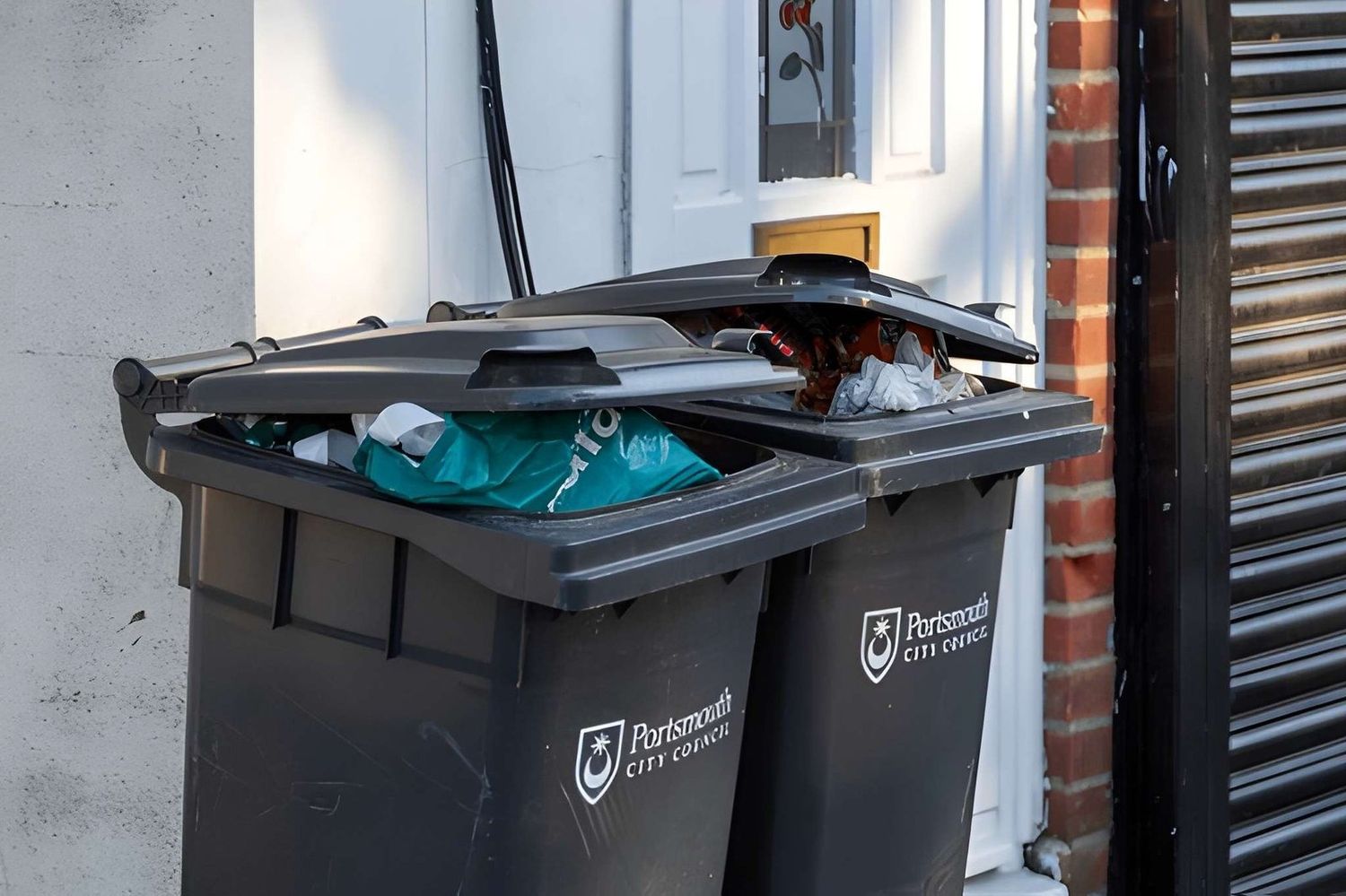
After just a few collection cycles, the inside of a standard household wheelie bin becomes a breeding ground for microbial activity. Broken bags, leaking food scraps, meat juices, and damp organic matter create ideal conditions for bacteria like E. coli, Listeria, and Salmonella to thrive.
Studies in environmental microbiology have found that domestic waste containers, when left uncleaned, can harbor bacterial counts in the millions per square centimeter. In Perth's climate where summer temperatures regularly exceed 35°C this process accelerates dramatically. Heat speeds up decomposition, amplifies odors, and turns a slightly grimy bin into a genuine hygiene concern within days.
It doesn't stop at bacteria. Decaying organic matter in bins attracts:
Blowflies and maggots, which can spread pathogens to nearby surfaces and food preparation areas
Cockroaches, which shelter in bin cavities and migrate indoors
Rodents, drawn by food odors and the shelter bins provide
Fruit flies, which find their way from bins into kitchens
For households with young children, elderly family members, or anyone with a compromised immune system, these aren't trivial concerns. They're real exposure risks.
Why Perth's Climate Makes This More Urgent
Perth is one of Australia's sunniest cities and that's a wonderful thing, except when it comes to waste management. High UV and heat are great for drying laundry but brutal on bin hygiene. The combination of ambient warmth, sun-heated bin lids, and trapped moisture inside the bin creates a microenvironment that turbocharges bacterial growth.
This is particularly relevant between October and April, when Perth temperatures peak and residents are spending more time outdoors, often in close proximity to their bins. Odors that might be mild in winter become overwhelmingly unpleasant during summer, and the pest pressure intensifies significantly.
Fortnightly rubbish collection, which is standard across most Perth councils, means bins can sit with residue from the previous load for up to two weeks before the next pickup. Two weeks of Perth summer heat, trapped moisture, and decomposing food is more than enough to create a serious hygiene problem.
The Odor Problem: More Than Just Unpleasant
Persistent bin odor isn't just an inconvenience, it's a signal that microbial activity and decomposition are well underway. The sulfurous and ammonia-based compounds that produce "bin smell" are produced by anaerobic bacteria breaking down proteins and organic matter.
These gases can linger around your property, permeate nearby areas, and even be tracked indoors if you're handling bin lids without washing your hands afterward. Neighbors notice. Guests notice. And in some local council areas, persistent odor complaints from bins on verges can result in formal requests to address the issue.
Regular professional cleaning eliminates the organic residue that fuels this bacterial activity breaking the cycle rather than just masking the symptoms with deodorant products.
DIY Cleaning vs. Professional Bin Washing: What's the Difference?
Many homeowners attempt to clean their bins themselves typically with a garden hose, some detergent, and a scrubbing brush. This can reduce surface grime, but it rarely reaches the level of sanitation that actually disrupts bacterial colonies or eliminates odor at the source.
The limitations of DIY bin cleaning include:
Insufficient water pressure to dislodge compacted residue from bin bases and corners
No temperature control hot water is significantly more effective at killing bacteria than cold
No targeted sanitizing agents household detergents don't have the disinfectant properties of professional-grade cleaning solutions
Wastewater runoff dirty water from bin cleaning flows into storm drains or your garden, which raises environmental concerns
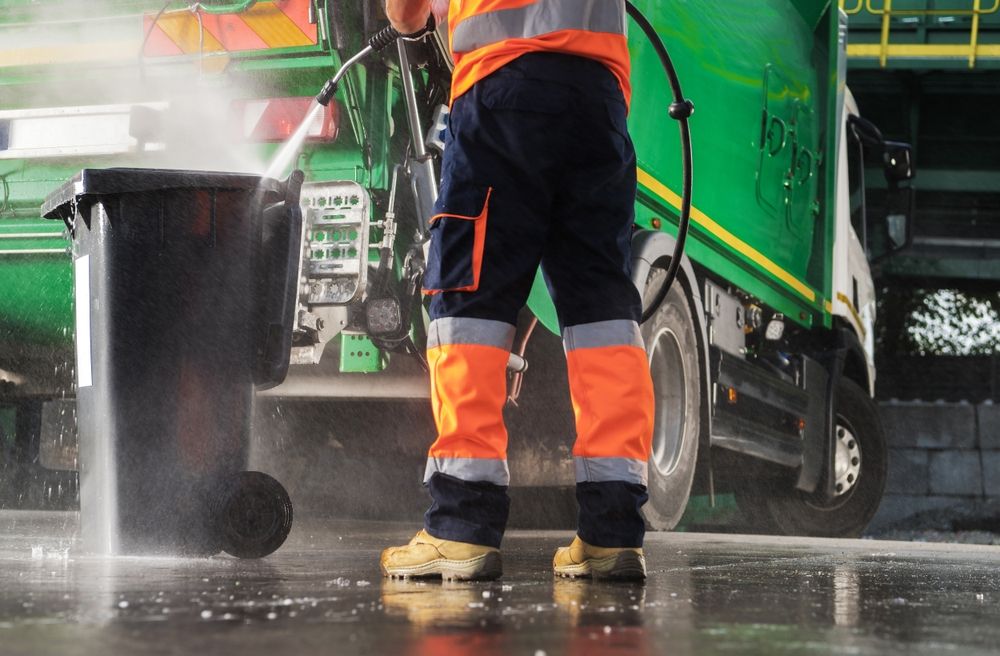
Purpose-built professional bin cleaning systems address all of these issues. High-pressure hot water, combined with biodegradable sanitizing agents, removes biofilm, residue, and odor from the bin's entire interior. The wastewater is captured and disposed of responsibly, rather than being pushed into your property's drainage.
Services like Sim's Wheelie Washing in Perth use this kind of purpose-built equipment to deliver results that a garden hose simply can't replicate and they do it without you having to lift a finger.
How Often Should You Clean Your Wheelie Bins?
This is one of the most common questions Perth homeowners ask. The general guidance from waste hygiene professionals is:
General waste bins: Monthly cleaning is the minimum recommended frequency. These bins contain the most biologically active material.
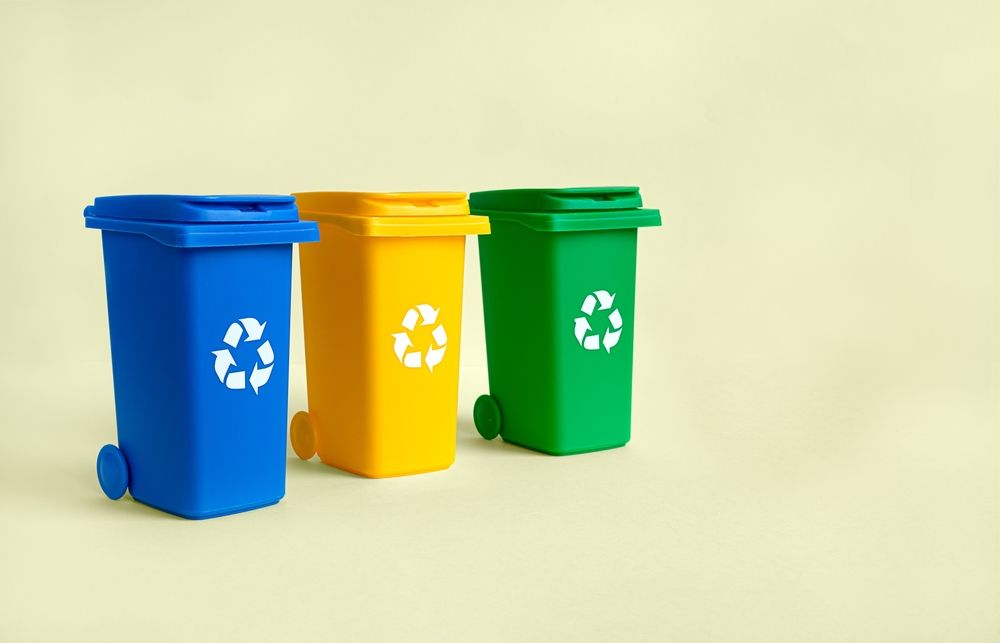
Recycling bins: Every 6–8 weeks, though more frequently if you regularly dispose of food containers with residual product.
Green waste bins: Seasonal cleaning is usually adequate, though odors from organic material can build up during summer.
If you notice odors between scheduled cleans, visible residue on the bin walls, or pest activity around your bin, treat that as a signal to book a clean sooner rather than later.
The Environmental Case for Professional Cleaning
One aspect of bin hygiene that often goes undiscussed is the environmental responsibility involved. When homeowners attempt to clean bins themselves and let wastewater run off into storm drains, they're inadvertently contributing to contaminated runoff, a genuine concern in urban areas across Western Australia.
Reputable professional bin cleaning services capture and dispose of their wastewater through approved channels, use biodegradable cleaning agents that don't harm local waterways, and operate with water-efficient high-pressure systems that use less water overall than a drawn-out garden hose clean.
Choosing professional domestic wheelie bin cleaning in Perth isn't just better for your household, it's a more environmentally responsible choice than the DIY alternative.
Actionable Takeaways for Perth Homeowners
Here's a practical checklist to improve your bin hygiene starting this week:
Inspect your bins after each collection. Look for residue, moisture, and odors before putting the lid down.
Rinse food containers before placing them in recycling bins to reduce organic buildup.
Double-bag meat and food scraps to minimize leakage inside general waste bins.
Schedule professional cleaning quarterly at minimum monthly if you have a large household or use your bins heavily.
Don't leave bin lids open in summer; this invites flies and accelerates the drying of residue into harder-to-remove crust.
Book recurring service so you're not relying on a memory set and forget is the most effective approach.
Frequently Asked Questions
Q: How often should Perth homeowners get their wheelie bins professionally cleaned?
A: For general waste bins, monthly professional cleaning is the recommended standard. Perth's warm climate accelerates bacterial growth and odor development, making regular cleaning more important here than in cooler regions. Recycling bins can typically go 6–8 weeks between cleans.
Q: What health risks come with dirty wheelie bins?
A: Uncleaned bins can harbor bacteria including E. coli, Listeria, and Salmonella, as well as attracting flies, cockroaches, and rodents. These risks are particularly significant for households with children, elderly residents, or immunocompromised individuals.
Q: Is professional wheelie bin cleaning worth it in Perth's hot climate?
A: Yes Perth's heat accelerates decomposition and bacterial growth inside bins, making professional cleaning a practical necessity rather than a luxury. High-pressure, high-temperature cleaning equipment removes residue and biofilm far more effectively than a garden hose.
Q: Can I clean my wheelie bin myself instead of using a service?
A: You can, but DIY cleaning with a garden hose and household detergent won't reach the sanitation level of professional equipment. It also raises concerns about wastewater runoff. Professional services use purpose-built systems that capture wastewater and use biodegradable agents, a cleaner outcome for your bin and the environment.
Q: Does professional bin cleaning use environmentally safe methods?
A: Reputable services use eco-friendly cleaning agents and capture all wastewater for responsible disposal. This makes professional cleaning more environmentally sound than most DIY approaches.
The Bottom Line
A clean home doesn't stop at your front door. Wheelie bins are functional, everyday items that quietly accumulate bacteria, odors, and pests when they're not maintained — and in Perth's climate, that process moves faster than most people realize.
Domestic wheelie bin cleaning in Perth is a straightforward hygiene practice that reduces bacterial exposure, deters pests, eliminates odors, and protects the outdoor environment around your home. When handled professionally, it requires zero effort from you and delivers results that genuinely make a difference.
If your bins have been collecting more than rubbish lately, it's probably time to do something about it.
According to the WA Department of Health's pest prevention guidelines, poorly maintained household waste containers are a leading contributor to residential pest activity including flies, cockroaches, and rodents particularly in warmer climates like Perth's. Additionally, CSIRO research into bacteria in domestic waste confirms that organic residue left inside bins creates sustained microbial environments that standard household cleaning methods struggle to fully address.